With a new year comes renewed motivation to prioritize well-being. While busy schedules often push self-care to the bottom of the list, remaining vigilant about maintaining good health and overall wellness is crucial to a long, healthy life. Preventive health screenings play a crucial role in the early detection, diagnosis, and successful management of various conditions, enabling less invasive treatments and improved survival rates.
Choosing a dedicated, high-quality imaging provider for these screenings is just as important as scheduling the appointment itself. You have a choice in selecting a facility that offers the expert care, advanced technology, and convenience you deserve, ensuring you receive timely, cost-effective and reliable results to guide your health decisions.
Your Choice in Preventive Care: Freestanding Imaging Centers
You have choices when seeking diagnostic imaging services. While hospitals can provide these scans, modern freestanding imaging centers, such as those provided by Carolinas Imaging Services (CIS), offer compelling advantages, serving as a cost-effective outpatient alternative to hospital imaging.
At an outpatient imaging center, you benefit from high-quality care delivered by board-certified, subspecialized radiologists, the same experts who read scans for area hospitals. Furthermore, these centers often provide more convenience, offering many locations, extended hours including weekends, and the ability to schedule same-day or next-day appointments. By choosing a cost-effective outpatient setting, you gain confidence in care, convenience in access, and clarity in results.
Why Preventive Health Screenings Matter
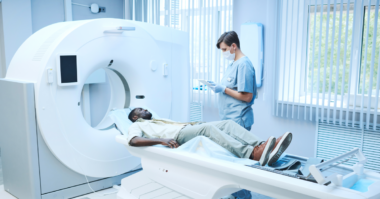
Preventive health imaging uses advanced technology like CT and MRI to visualize internal structures, including organs, soft tissue, and blood vessels, helping to detect abnormalities or disease in their earliest stages.
Heart Health Screenings
Heart disease remains a leading health concern. Advanced heart health imaging techniques can help providers assess cardiac risk and diagnose conditions early, significantly reducing risks.
Screening Methods
- Calcium Scoring: This CT test identifies calcium deposits in the heart arteries, indicating potential coronary artery disease. Calcium scoring results are often used to help predict heart attacks or coronary issues.
- Carotid Intima-Media Thickness (IMT) Test: A noninvasive ultrasound exam that measures the thickness of the carotid artery wall to identify early signs of atherosclerosis and assess overall cardiovascular and stroke risk.
What is the Goal of Heart Screenings?
The goal of heart screenings is to prevent heart attacks and strokes by detecting risk factors such as hypertension and high cholesterol at an early stage.
Lung Cancer Screenings
Lung cancer is the second-most common cancer, but early detection significantly improves survival rates.
Screening Method
Lung cancer screening involves a special type of chest CT scan called a low-dose lung CT (LDCT). This scan detects small nodules that may be cancerous—though most are not—before symptoms appear. Detecting lung cancer early, before it spreads, increases the chances of successful treatment and improved survival.
Who is Eligible for Lung Cancer CT?
Annual low-dose CT scans are recommended for high-risk individuals, particularly smokers or those with a significant smoking history. You may be eligible for an annual LDCT screening if you are aged 50 to 80, currently smoke or quit within the last 15 years, and have a smoking history of 20 pack years or more
What is the Goal of Lung Cancer Screening?
The goal of lung cancer screening is to identify lung cancer early, which facilitates more effective treatment and improves survival rates.
CT Colonography (Colorectal Cancer Screening)
Diagnostic imaging, such as CT scans, plays a role in diagnosing a variety of colorectal diseases, particularly colorectal cancer.
Screening Method
Among the imaging studies performed with CT technology is CT colonography, which helps detect precancerous polyps or early-stage colon cancer. Using advanced technology to screen for colorectal cancer helps providers detect changes early, which helps maximize treatment options and survivorship.
Who Should Get a CT Colonography?
Individuals who are at average risk should begin colorectal cancer screening starting at the age of 45. CT colonography is typically recommended every 5 years, but earlier or more frequent screening is needed for those with a personal or family history of colon cancer, polyps, or inflammatory bowel disease, such as Crohn’s or ulcerative colitis.
What is the Goal of Colorectal Cancer Screening?
The goal of colorectal cancer screening is to reduce both the incidence and mortality associated with colorectal cancer through early detection.
Breast Health Screenings
For women, prioritizing annual screening mammograms is a critical part of maintaining good breast health. 3D mammography, or digital breast tomosynthesis, is the standard of care for annual screening and diagnostic exams. This advanced imaging creates multiple “slices” of the breast tissue, allowing subspecialized radiologists to view layers dimensionally.
3D mammography has been clinically proven to detect breast cancer early, up to three years before a lump can be felt. When breast cancer is detected at Stage 0 or 1, women typically require less invasive treatments and have a nearly 100% five-year survival rate.
What are the Screening Recommendations for Breast Cancer?
For women at average risk, experts recommend starting annual screening mammograms at age 40. For women at high risk, such as those with a family history of breast cancer or certain genetic factors, guidelines suggest starting mammograms as early as age 30 and may include additional imaging tests for comprehensive screening.
Supplemental Breast Screening Options
For women with dense breasts or other risk factors for breast cancer, supplemental screening may be recommended. These options do not take the place of annual 3D mammography, but rather, they can be added and include Breast Ultrasound, Automated Breast Ultrasound (ABUS), and Breast MRI or Abbreviated Breast MRI (ABMRI).
What is the Goal of Mammography?
The goal of mammography is to reduce breast cancer deaths through early detection and treatment, ultimately saving lives and improving the prognosis for countless women. Early detection not only increases the chances of successful treatment but also empowers individuals to take charge of their health.
Bone Density Screening
Preventive screening extends beyond conditions like cancer, heart disease, or lung disease. Advanced imaging helps track other changes that occur naturally as we age.
Bone Density Screening (DEXA)
Bone health is particularly important for women, especially after menopause, when bone mass density declines rapidly. Bone density testing to diagnose osteoporosis is conducted by the DEXA (Dual-Energy X-ray Absorptiometry) scan.
The U.S. Preventive Services Task Force recommends DEXA screening for all women aged 65 and older, though younger individuals with a significant fracture risk may also benefit. DEXA scans are safe, painless, and quick, usually taking about 15 minutes.
The Screenings You Need at Each Stage of Life
The right screening regimen and timeline each depend largely on your individual risk factors, gender, and age. You should discuss your health history, including any personal risk factors, with your provider to develop a personalized health plan that’s right for you.
Young Adults (Ages 25-39)
Discuss your family health history with close family members and start conversations with a primary care provider about risk levels and starting screenings, if needed.
Begin routine preventive health screenings, including blood pressure and cholesterol screenings, if at risk.
Younger Women (Ages 25–39)
While annual screening mammograms are generally recommended starting at age 40, younger women should focus on building breast awareness through monthly breast exam self-checks and clinical breast exams during annual well visits.
If you have a family history or known high-risk factors (like BRCA mutations, which may indicate a higher risk of breast and ovarian cancer), your provider may recommend starting screening mammograms as early as age 30, or 10 years before the age of diagnosis of your first-degree relative.
Midlife Adults (Ages 40+)
Adults over 40 should maintain regular screenings for high blood pressure, cholesterol, and diabetes, as well as begin colonoscopies as recommended by a primary care provider.
For women at average risk, the standard of care is an annual 3D mammography starting at age 40. Annual screening from age 40 through 79 provides the greatest benefits, including a 42% reduction in breast cancer mortality. If screening detects a potential issue, your provider may order a diagnostic mammogram and possibly additional imaging, such as breast ultrasound or breast MRI.
Older Adults (Ages 65+)
Adults over 65 should prioritize preventive health screenings to maintain their well-being.
Regular blood pressure checks are vital, along with cholesterol and diabetes screenings, to manage heart health. Screening for colorectal, breast, and prostate cancers is important, given the higher incidence rates with age. Bone density tests that assess osteoporosis risk should be maintained.
Adults over 65 should work with healthcare providers to establish a personalized screening schedule tailored to their individual health needs and risk factors, allowing them to proactively manage their health.
Take Charge of Your Preventive Care
Preventive screenings help you stay on top of your health by identifying issues early when they are most treatable. Choosing where to get your imaging is an important part of that process, just like choosing a doctor. You can explore options and select an imaging provider that fits your health needs, budget, and schedule.
High-quality imaging services, including 3D mammography, low-dose CT scans, calcium scoring, and DEXA, are available at convenient outpatient centers that offer board-certified, subspecialized radiologists and skilled technologists, providing you with exceptional, cost-effective care. These centers can offer the same advanced technology and expertise found in hospitals but with shorter wait times and easier scheduling.
When deciding where to go, consider asking your provider questions such as:
- Can I choose where my imaging is done?
- What is the difference between hospital and outpatient imaging?
- How can I feel confident I’m choosing a quality imaging center?
By discussing your personal health history, risk factors, and stage of life with your provider and knowing your options for imaging, you can take a proactive approach to screenings and make informed decisions that support your long-term health and well-being.